
INFORMATIVE NEWS:
What to Look for in a BS EN 16005 Specialist
Ensuring the safe operation of power-operated pedestrian doors isn’t just a matter of routine maintenance it is a legal and operational necessity. For commercial buildings, healthcare facilities, educational institutions, and retail spaces, automatic doors handle hundreds or thousands of activations daily. When something goes wrong, the liability, downtime, and potential injury risks fall squarely on facility managers and property owners.
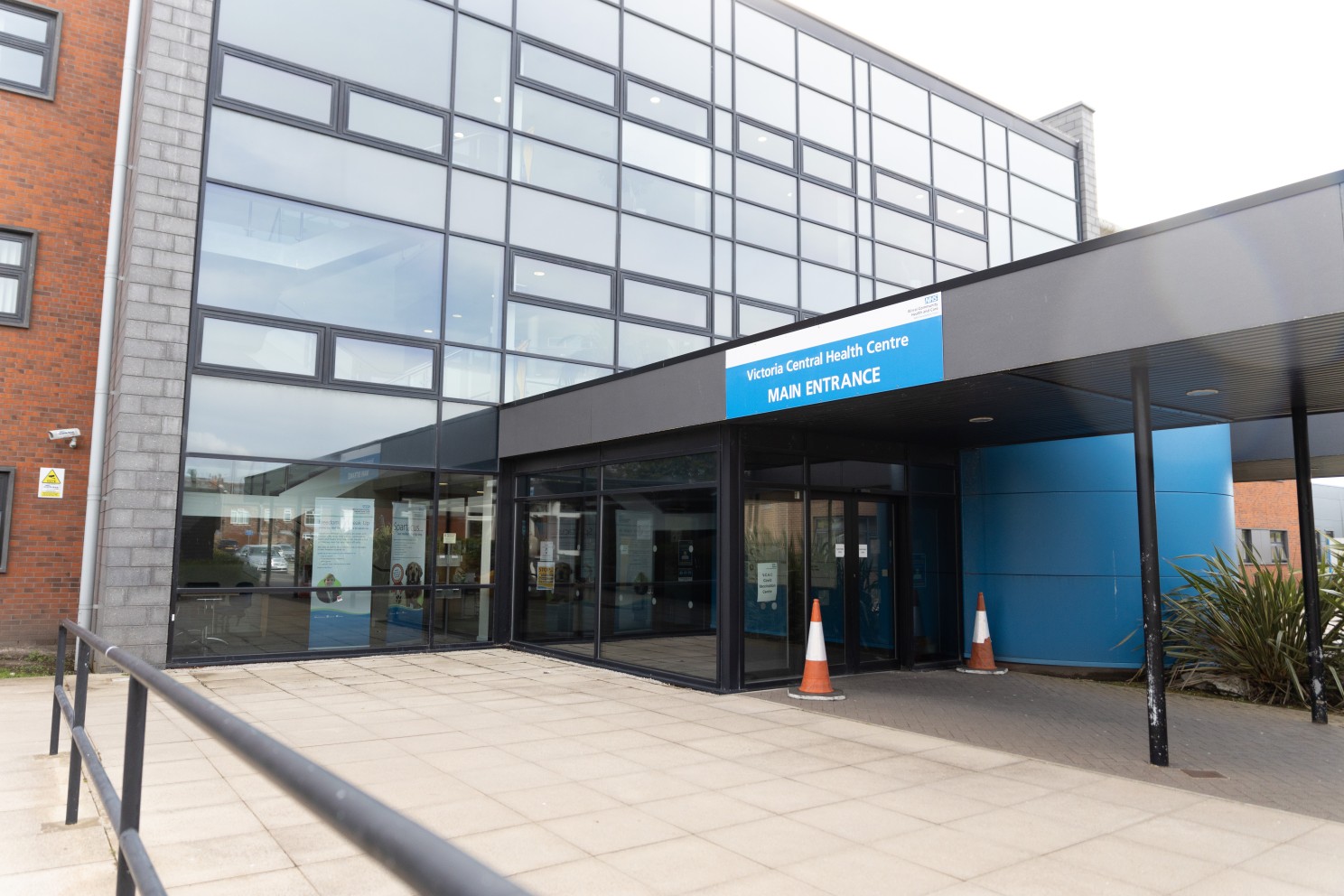
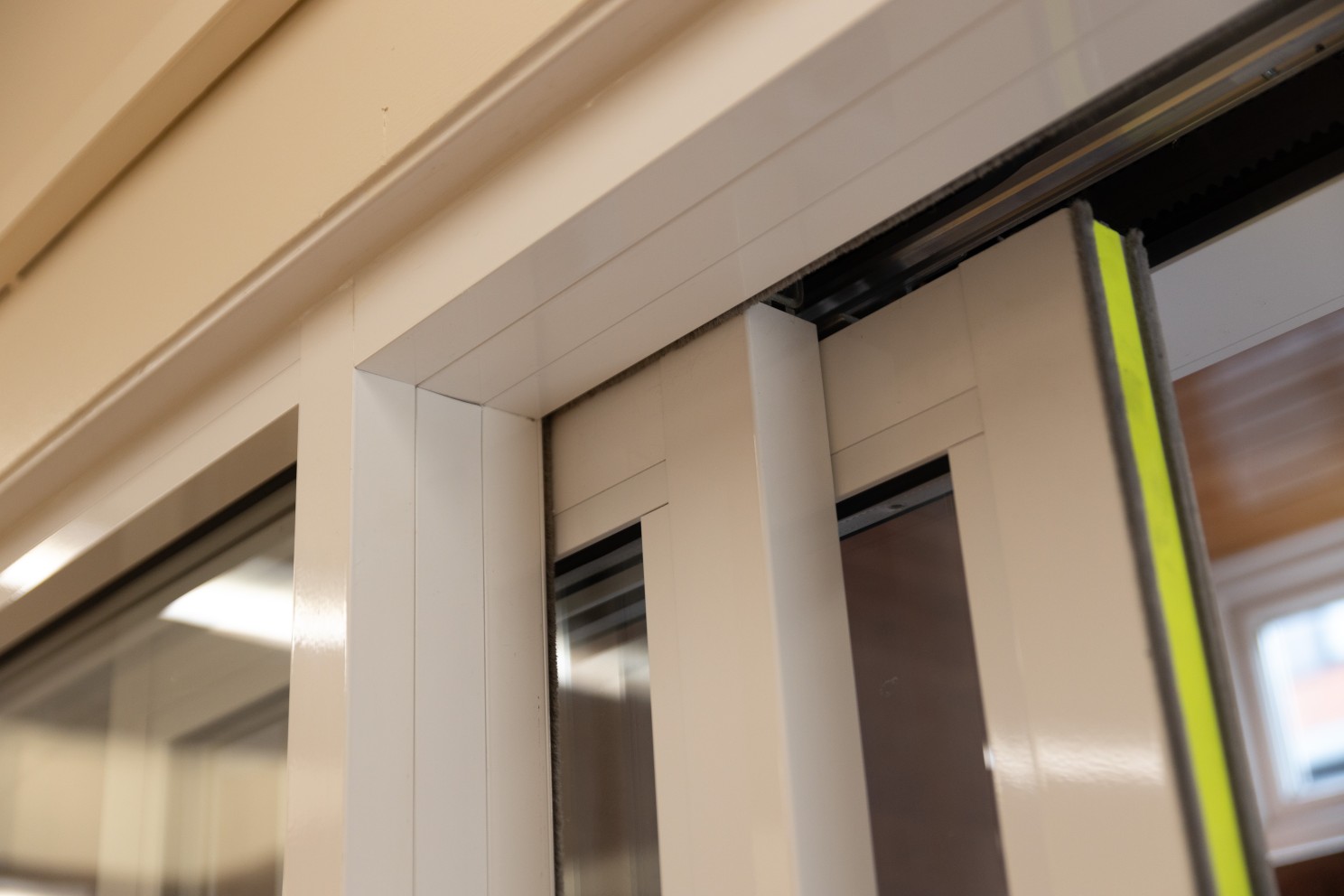
BS EN 16005 is the European and British standard that governs the safety of automatic pedestrian doors. Standard compliance guarantees that activation sensors, safety barriers, force limitations, and emergency escape functions operate reliably.
However, achieving compliance requires partnering with qualified automatic door specialists.
Here is a practical framework to evaluate service providers and ensure your commercial door systems remain safe, legal, and operational.
1. Verified Industry Qualifications and Accreditations
Not all door technicians possess the specific training required for power-operated door safety. When vetting a specialist, look for clear, verifiable accreditations:
- ADSA (Automatic Door Suppliers Association) Training: Technicians should hold current ADSA BS EN 16005 accreditation, confirming they have passed formal examinations on standard compliance and risk assessment.
- Third-Party Certifications: Look for company-level accreditations such as ISO 9001, CHAS, SafeContractor, or Constructionline, which reflect established quality management and health & safety standards.
2. Comprehensive Knowledge of BS EN 16005 Safety Regulations
A true specialist does not just fit a door; they conduct a thorough risk analysis tailored to your specific building usage and foot traffic profiles. Look for providers who understand core compliance mandates:
- Impact and Crush Protection: Ensuring presence detection sensors (such as infrared safety curtains) prevent the door leaf from contacting pedestrians during opening or closing cycles.
- Escape Routes and Emergency Exits: Knowing when break-out systems, fail-safe battery backups, or specific low-energy swing drives are required by law for emergency egress.
- Force Limitations: Understanding low-energy vs. full-energy door requirements, including maximum drive force limits and speed restrictions to protect vulnerable users (e.g., children or elderly visitors).
3. End-to-End Capabilities (Design, Installation, and Maintenance)
Achieving long-term automatic door safety requires continuity across the entire lifecycle of your doors: Key Deliverables to Expect from a Specialist
- Consultation & Specification: Traffic flow analysis, door type selection (sliding & swing), and site-specific risk assessments.
- Automatic Door Installation: Precision fitting, sensor alignment, speed/force calibration, and final safety sign-off.
- Routine Maintenance: Scheduled bi-annual or annual inspections, logbook updates, and preventive component replacement.
- Emergency Repairs: Rapid response times, genuine OEM spare parts, and immediate re-certification post-repair.
4. Thorough Documentation and Audit Trail Support
Under BS EN 16005 standards, facility managers must maintain a complete safety logbook for every automatic door set on-site.
A reliable specialist will provide:
- Official Commissioning Certificates: Proof of compliance immediately following an automatic door installation.
- Service Logbooks: Clear records of test results, sensor coverage checks, force measurements, and parts replaced.
- Digital Compliance Reporting: Providers issue instant digital service reports, making it straightforward to demonstrate compliance to insurers, local authorities, or safety inspectors.
5. Thorough Documentation and Audit Trail Support
Door failures disrupt building access, compromise security, and disrupt business operations. Ask prospective door specialists about their operational capabilities:
- Response Times: Do they offer guaranteed response times for critical breakdowns (e.g., 4 to 24 hours)?
- First-Time Fix Rates: Do their service vehicles carry stock of common sensors, belts, controllers, and safety equipment?
- 24/7 Availability: Do they provide out-of-hours support for emergency secure-backs?
Partnering for Compliance and Peace of Mind
Selecting a BS EN 16005 specialist comes down to accountability. By prioritizing qualified technicians, thorough risk assessment, and transparent service documentation, facility managers can ensure smooth building access while mitigating liability risks.
Need a compliance audit for your commercial door systems? Contact our accredited team today to schedule an inspection or discuss your maintenance and installation requirements.
In The Know
Making the Decision to Choose ADC Entrance Solutions
INFORMATIVE NEWS: Making the Decision to Choose ADC Entrance SolutionsDiscover why...
How Often Should Automatic Door Sensors Be Checked?
INFORMATIVE NEWS: How Often Should Automatic Door Sensors Be Checked and...
Why Automatic Car Park Barriers are Essential Site Security and Traffic Control
INFORMATIVE NEWS: Why Automated Car Park Barriers are Essential for Site Security and...